
When we hear the word "amulet" today, we picture something decorative — a pendant, an ornament, an ethnic motif. But for our ancestors it was a tool, not an adornment. An amulet did not "decorate" — it drew a line. Between yours and not-yours, between what you let in and what you cut off.
Slavic culture had almost no temples or dogma. Its strength was in the everyday — in words spoken at the threshold, in signs worn on the body, in the ability to sense where you end and the other begins. Protection here is not about fear. It is about a boundary you are aware of and hold.
In old rituals "Tsur!" was spoken to cut away something dark, foreign, heavy. Not a prayer, not a plea — a decision. A short, firm word after which there is no going back.
Today we would call this boundaries. The ability to say no without explaining yourself. Tsur is for those who drew their lines and no longer move them.
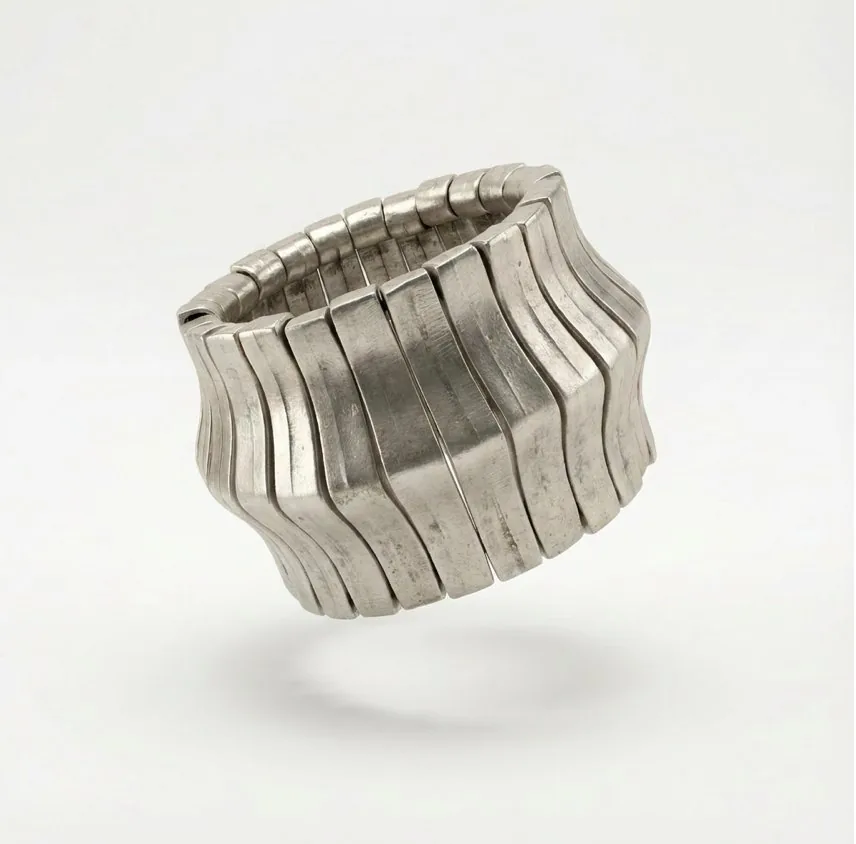 TSUR
protection · word-shield
2300 грн
View piece →
TSUR
protection · word-shield
2300 грн
View piece →
Veles is the Slavic god of the boundary, the road, the bridge between the living and the dead, the seen and the hidden. Neither good nor evil — the one who stands at the threshold and sees both sides.
Real protection is not walling yourself off from complexity, but being able to hold it. Veles is for those who do not choose the easy side.
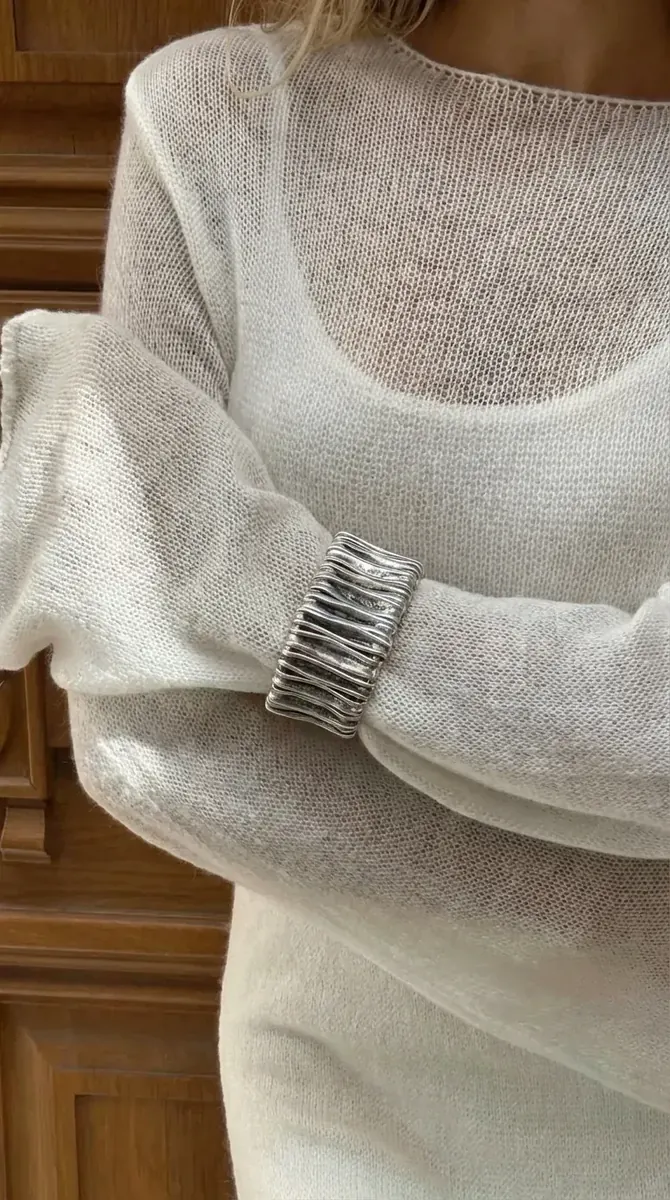 VELES
threshold · bridge between worlds
1900 грн
View piece →
VELES
threshold · bridge between worlds
1900 грн
View piece →
Viy is a being whose eyelids reach the ground. When they are lifted, he sees the truth. In myth this is terrifying. In life it is strength: not letting yourself be deceived, seeing through, recognizing the false.
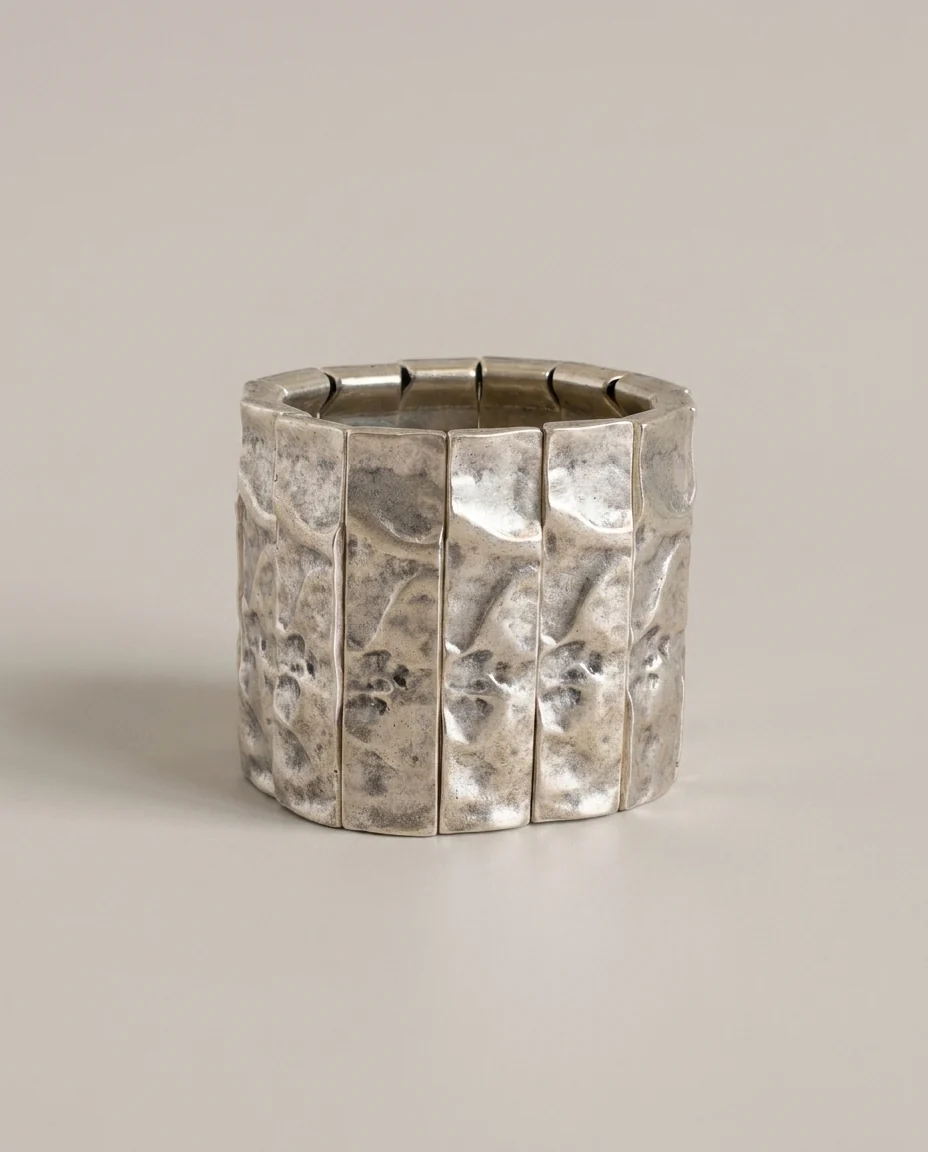 VIY
gaze · truth
2300 грн
View piece →
VIY
gaze · truth
2300 грн
View piece →
We do not wear these to "ward off evil spirits." We wear them because a sign on the body is a daily reminder of your own decision. The strength is not in the metal, but in the meaning you place in it.
← All articles