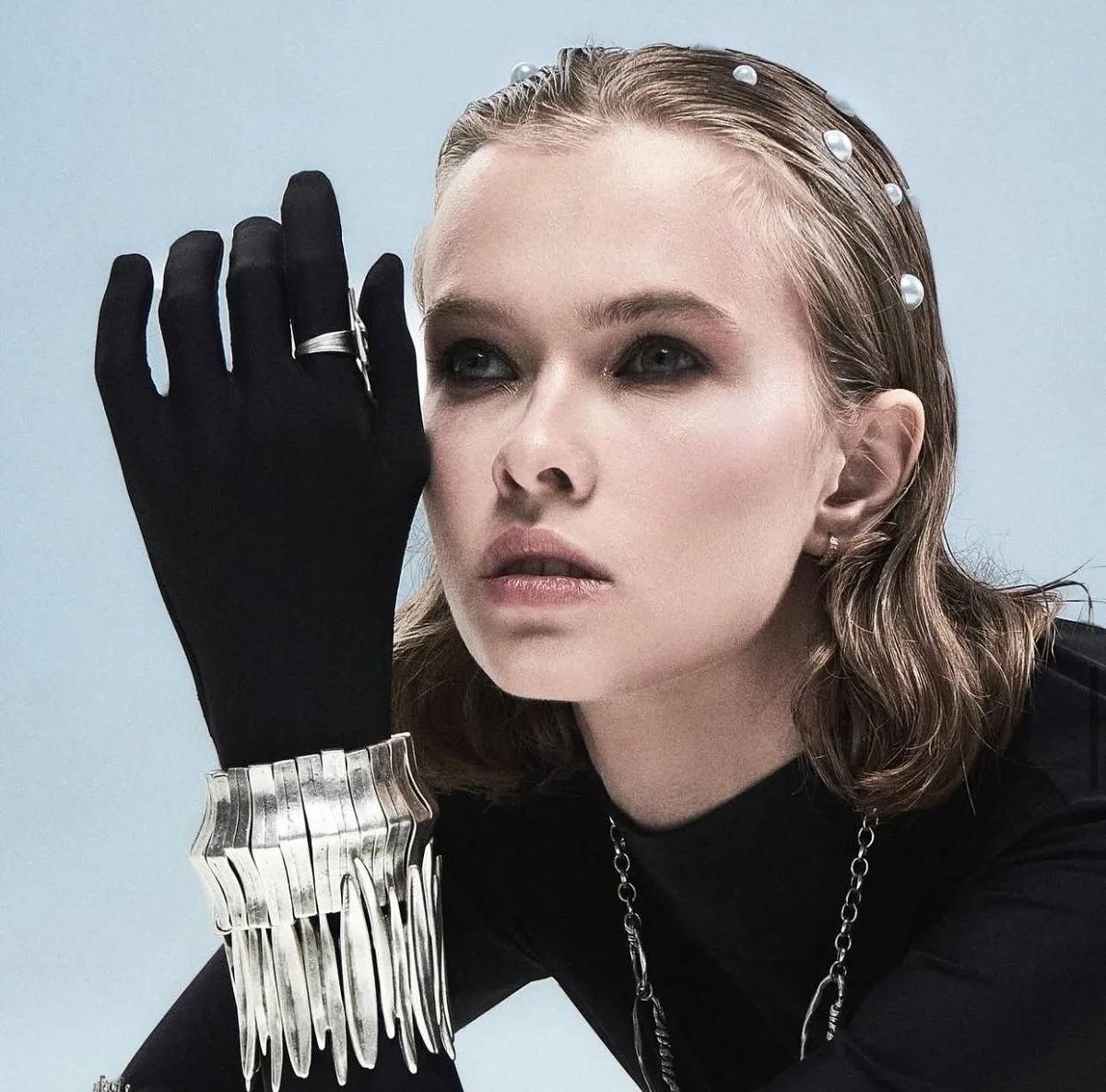
Slavic symbols did not emerge as a "system." They grew from everyday life — from what people saw in the field, the forest, the water. Each symbol is a compressed story: a way to explain the world and one's place in it. Here is a guide to the most important Slavic symbols, their meanings, and how they are worn today.
One of the oldest gods in the Slavic pantheon. Veles rules the border between the world of the living and the dead, the seen and the hidden. He is neither "good" nor "evil" — he is the one who stands at the threshold. A symbol for those who can hold both sides without breaking.
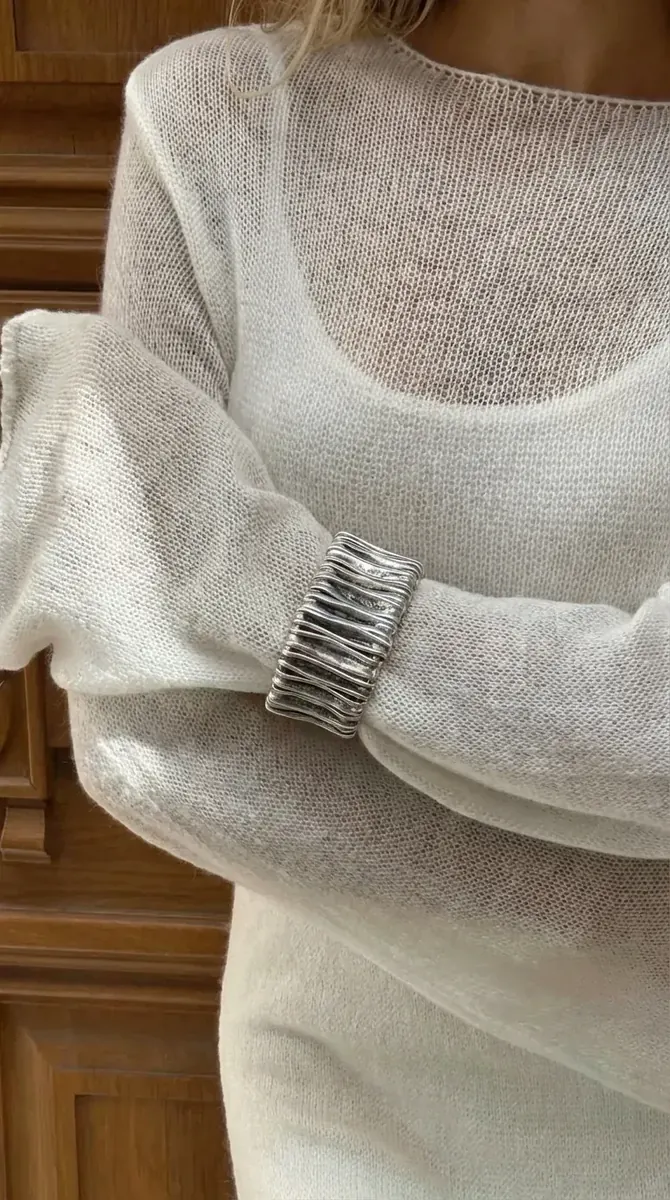 VELES
threshold · bridge between worlds
1900 грн
View piece →
VELES
threshold · bridge between worlds
1900 грн
View piece →
Not a god, not a creature — a sound that cuts. In old rituals "Tsur!" was spoken to keep something dark away. Today this is what we would call boundaries: the ability to say "no" without explaining and hold your own.
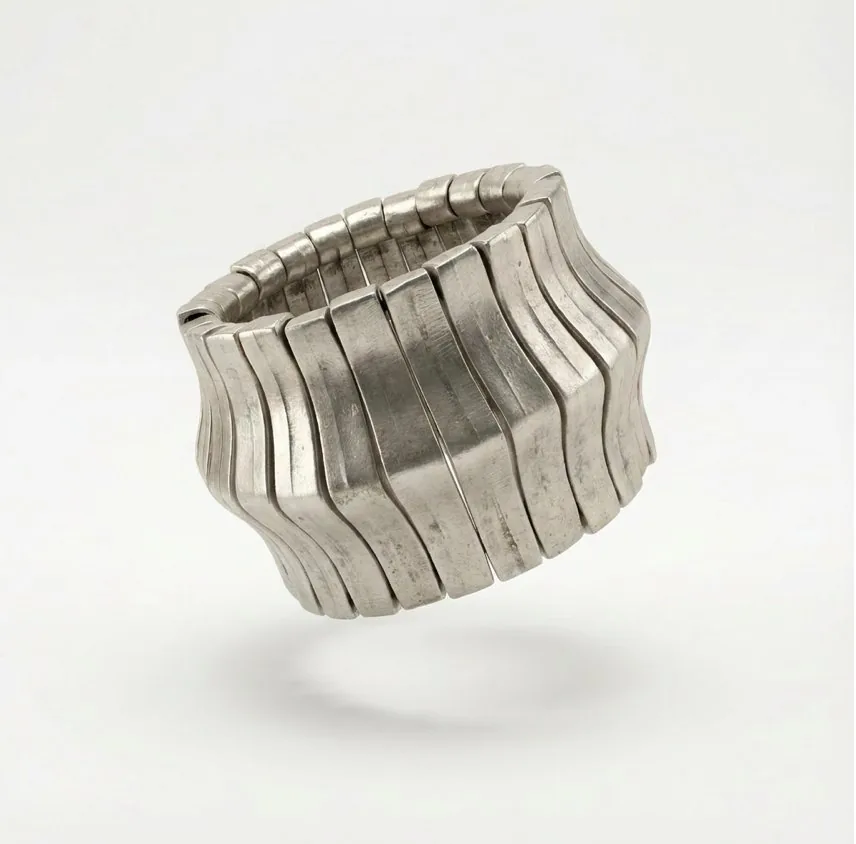 TSUR
protection · word-shield
2300 грн
View piece →
TSUR
protection · word-shield
2300 грн
View piece →
Slavic goddess of water. Dana is not about softness, but about the flow that wears down stone over time. Her strength is not in resistance but in constancy. A symbol for those who choose not to fight but to keep moving.
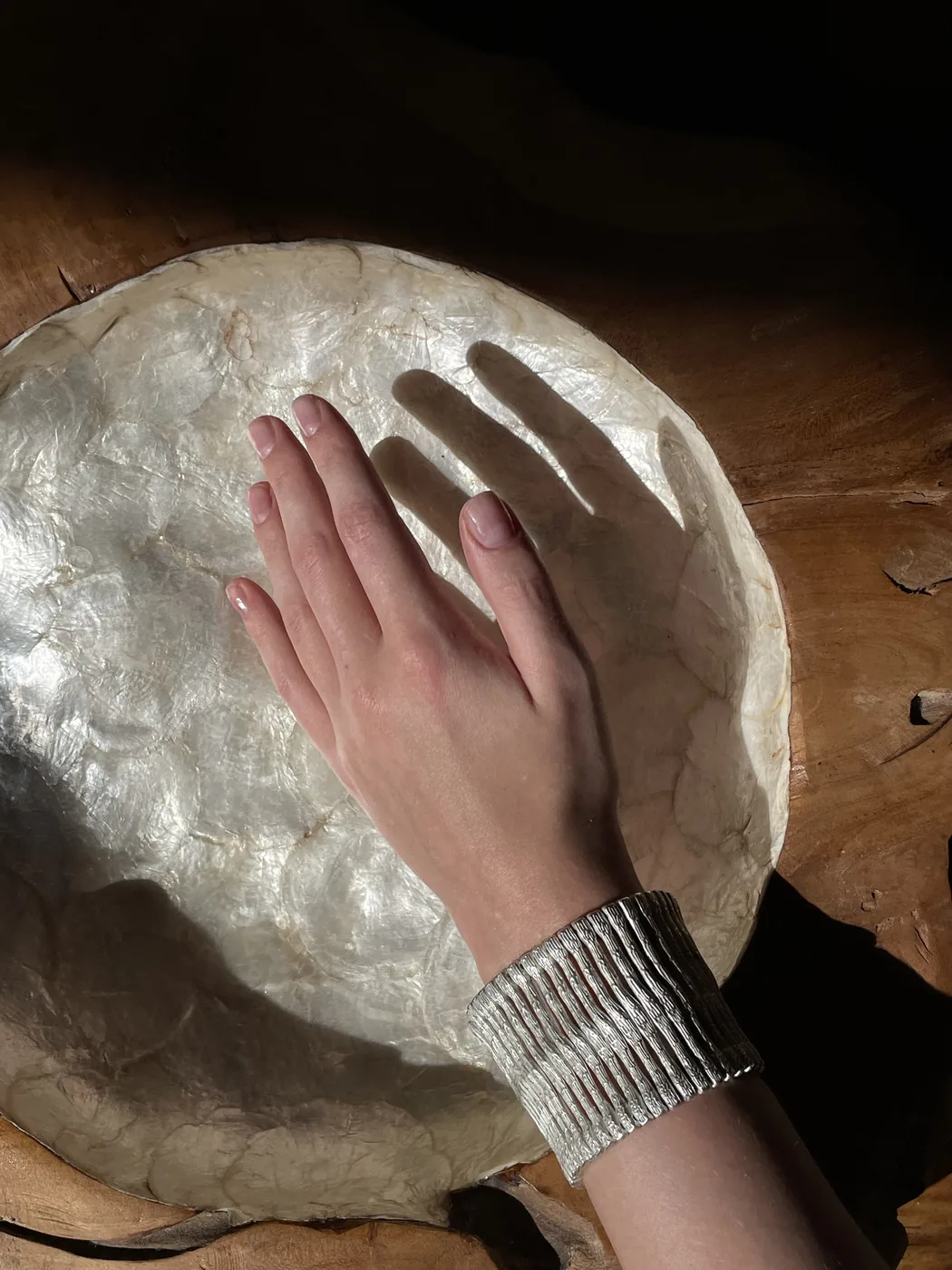 DANA
water · life · flow
1900 грн
View piece →
DANA
water · life · flow
1900 грн
View piece →
The only female deity in the upper pantheon. Mokosh is about fertility, earth, women's work, weaving the thread of fate. Her symbol is a rhombus with dots (a sown field). One of the most recognizable Slavic signs.
God of thunder, warriors, and justice. His sign is a six-pointed star or an axe. Perun is about force directed properly: not cruelty, but the ability to protect what is yours.
Khoros (Khors) is a solar deity, but above all a symbol of the circle dance, repetition, cycle. A ring with the Khoros motif is a reminder that you are part of something bigger: family, kin, a circle of people.
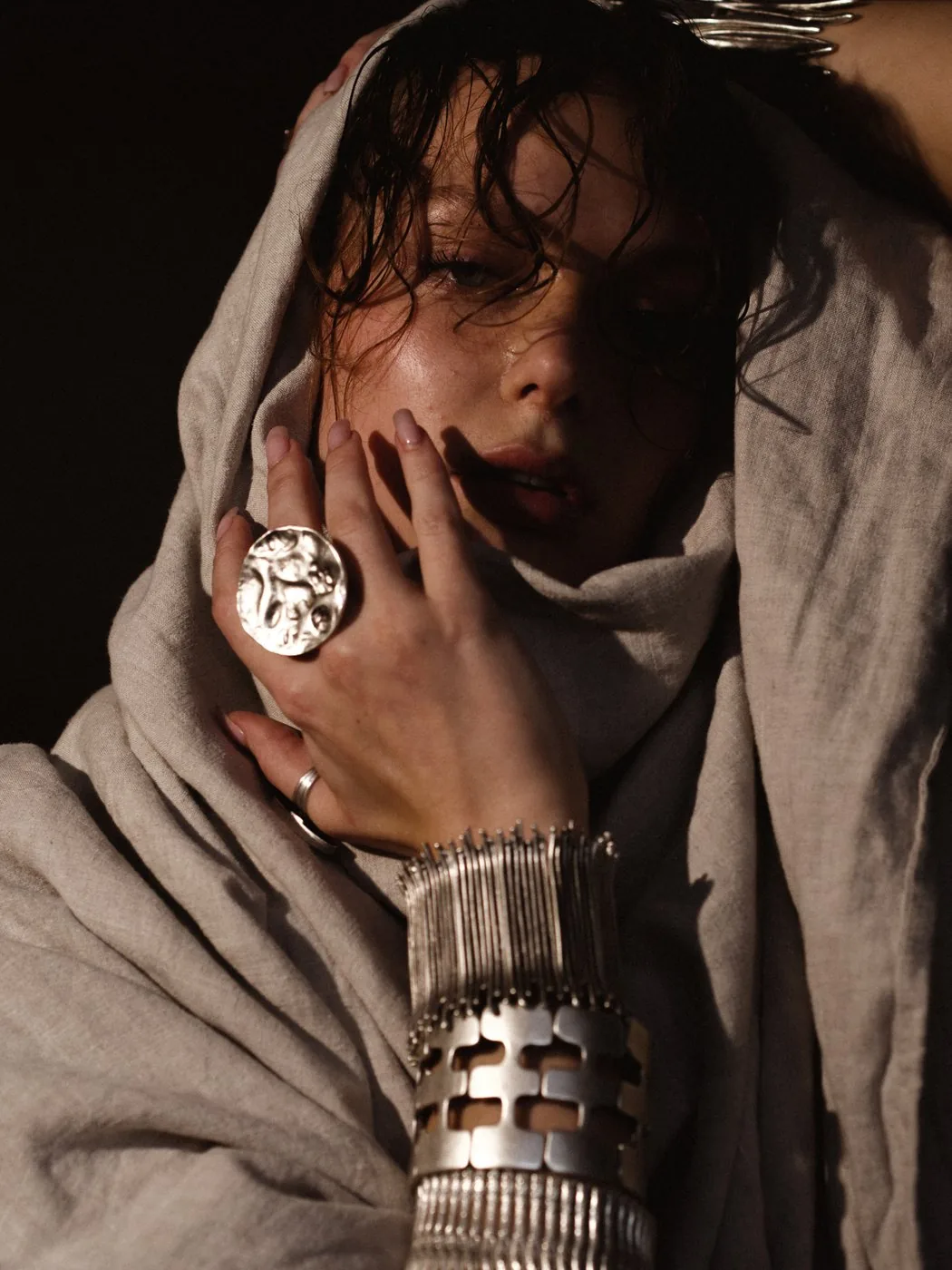 KHOROS
circle dance · community
1200 грн
View piece →
KHOROS
circle dance · community
1200 грн
View piece →
The willow in Slavic tradition is a symbol of unbreakability through bending. It bends to the ground in a storm — and rises again. One of the few plants that grows from a broken branch. Worn as a talisman of feminine strength and recovery.
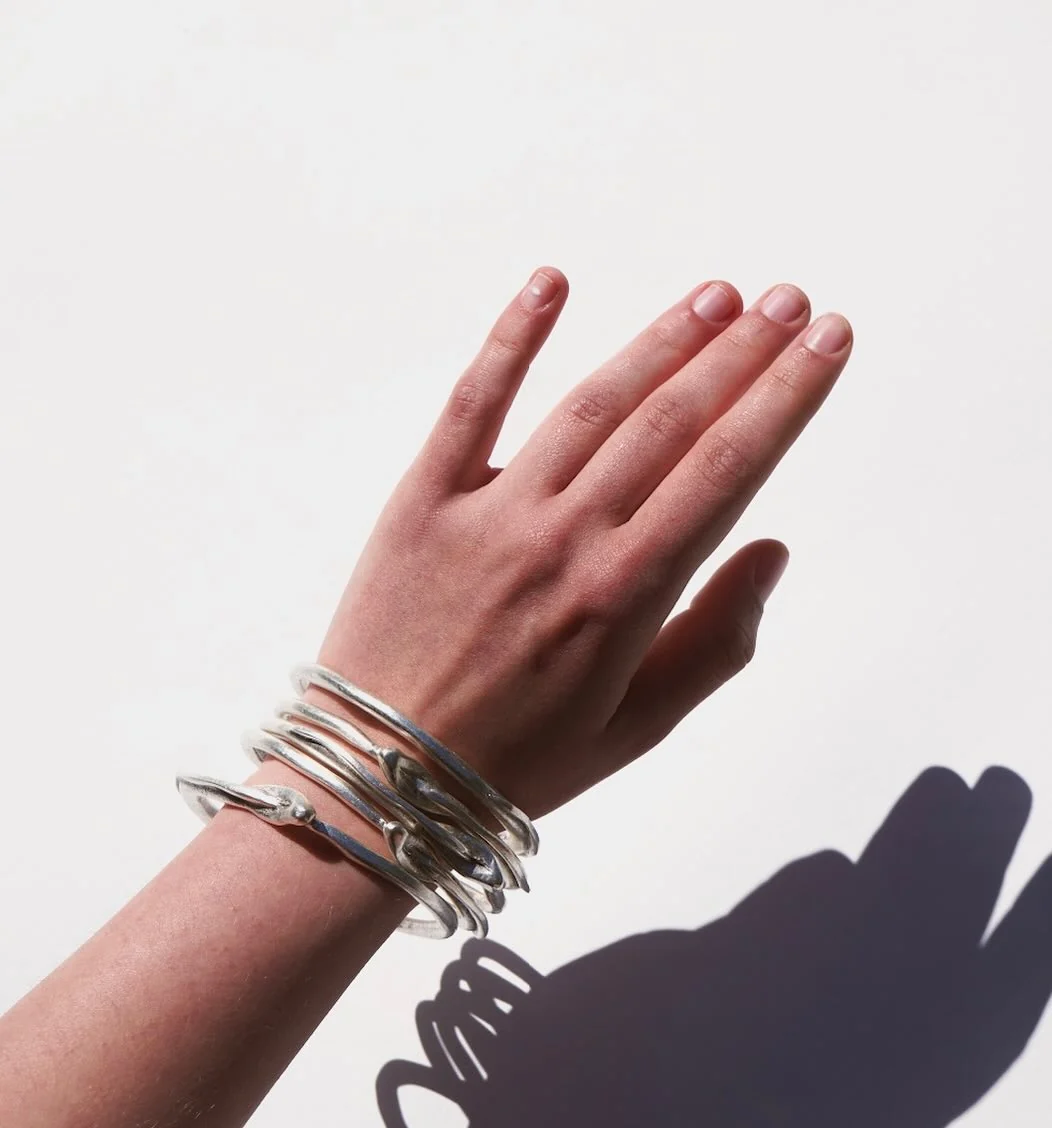 VERBA
willow · resilience and life
1250 грн
View piece →
VERBA
willow · resilience and life
1250 грн
View piece →
Not a god, but a state — that moment before dawn when darkness still holds, but you can already tell: light is coming. Oriana is about the memory that after the longest night, morning comes.
Mahura is mist, fog, the moment between sleep and waking. The state when you are no longer where you were, but not yet where you are going. A symbol for periods of change — when it matters not to force, but to let it pass.
Not by shape, but by what you need right now. Need to hold a boundary — Tsur. Going through a difficult transition — Veles or Mahura. Want to restore resilience — Verba. Need a reminder of cycles — Khoros. If you don't know where to start, we have a <a href="/?lang=en#quiz">short quiz</a> — 5 questions and the system will suggest your symbol.
This is not about magic. A sign on the body is a daily reminder of your own decision. Wearing Tsur — you remember daily that you have the right to say "no." Wearing Dana — that you don't have to fight every wall. The symbol works through constancy of contact, not through mysticism.
← All articles